Early life and the shape of a man
I write about a life with sharp edges and unexpected turns, like small town Alabama. Robert Edward Chambliss was born in Pratt City, Jefferson County, Alabama, on January 14, 1904. He lived amid early 20th-century America’s lethargic pace. His daily life was built around names, streets, churches, and a few jobs. I picture him holding paperwork and an ideology.
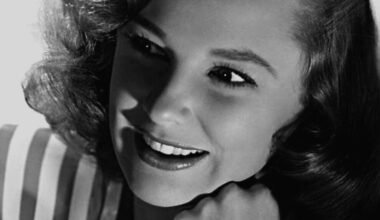
John Darnell Chambliss and Artie Mae Tomlin were his parents. They raised sons to speak the local language and follow the norms. The records list names and dates. Weddings. Data from census. Names like family map coordinates. The photo shows a wife. Flora L. Manning talked about his life publicly and privately. Children grew up. The years piled up.
Family members and personal relationships
I want to introduce each family member as a person rather than a footnote. Familial ties can anchor a story or loosen it, depending on what one does with them.
- John Darnell Chambliss was the father, the elder who set a generational tone for work and expectations. He lived through Reconstruction aftereffects and the upheavals of rural life in Alabama.
- Artie Mae Tomlin was the mother whose days were likely measured by household tasks, community ties, and the small mercies that soften hardship.
- Flora L. Manning was the spouse. Married life produced routines, household accounts, sometimes arguments, and at least one shared headstone in Elmwood Cemetery.
- Leonard Reuben Chambliss and Robert Louis Chambliss appear in family trees as sons or close kin. They are names that occupy census lines and gravestone inscriptions. They are people who inherited a name and the consequences of what that name gathered around it.
I do not reduce family to a single narratable trait. They were neighbors, churchgoers, relatives at wakes. They were more than the singular public actions of one member. Family shapes memory, and memory shapes the way communities tell their own past.
Associations and the tragic event
Key figures mentioned in this account
- Bobby Frank Cherry
- Thomas Edwin Blanton Jr.
- 16th Street Baptist Church
- United Klans of America
- Addie Mae Collins
- Cynthia Wesley
- Carole Robertson
- Denise McNair
- John Darnell Chambliss
- Artie Mae Tomlin
- Flora L. Manning
- Leonard Reuben Chambliss
- Robert Louis Chambliss
The 16th Street Baptist Church bombing on September 15, 1963 is a pivot in this narrative. Four girls died: Addie Mae Collins, Cynthia Wesley, Carole Robertson, and Denise McNair. The shock traveled across the country in hours. In time, investigators and prosecutors focused on a group tied to the United Klans of America. Over the next decades, prosecutions, arrests, appeals, and archival files would reveal the contours of culpability.
Career, convictions, and later years
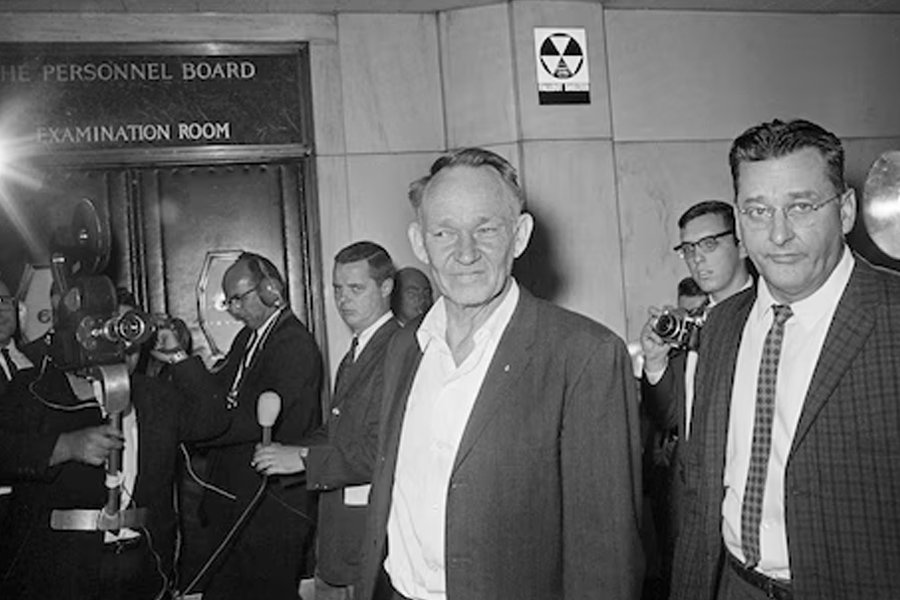
Chambliss never publicized his business executive resume. Most of his life was local. Census and judicial data indicate ordinary work, occasional unemployment, and low wages for men in that location and time. The criminal narrative dominates his public life. He was sentenced to life for first-degree murder in 1977. He wrote letters, spent time, and was in courthouse files. He died in captivity at 81 on October 29, 1985.
Financial details are scarce. Indigency was claimed when defendants sought transcripts and legal aid, according to appellate documents. Public records do not show a big estate or bank holdings. Prison documents, court files, and archive boxes offer the details of a life under investigation.
Timeline
| Date | Event |
|---|---|
| 1904-01-14 | Birth in Pratt City, Jefferson County, Alabama |
| 1930s to 1960s | Local life; documented membership in white supremacist circles |
| 1963-09-15 | Bombing at 16th Street Baptist Church; four girls killed |
| 1977-11-18 | Convicted of first degree murder; life sentence |
| 1985-10-29 | Died in custody at age 81 |
I like tables because they feel like skeleton keys. They let you open a door and see the room at a glance.
The human texture behind public records
I have read letters described in archive inventories and imagined the voices. Those letters show routines, grievances, denials, and a desire to be understood on one side. On the other side are families who lost daughters in an explosion that no one can forget. Memory is a ledger where debts are never fully balanced.
The family around Chambliss lived in a social world of segregated schools, segregated workplaces, and local networks that reinforced each other. A name could be a currency or a burden. Children inherited a daily script and then improvised within it.
FAQ
Who was Robert Edward Chambliss
He was a man born January 14, 1904, in Pratt City Alabama, later convicted in 1977 of first degree murder in connection to the 1963 bombing at the 16th Street Baptist Church. He died in prison on October 29, 1985.
Who were his immediate family members
His parents were John Darnell Chambliss and Artie Mae Tomlin. He married Flora L. Manning. Names recorded in family indexes include Leonard Reuben Chambliss and Robert Louis Chambliss as sons or close male relatives.
What organizations was he associated with
Public records and later prosecutions associate him with the United Klans of America and local white supremacist networks active in mid 20th century Alabama.
What happened on September 15, 1963
A bomb exploded at the 16th Street Baptist Church in Birmingham Alabama killing four young girls: Addie Mae Collins, Cynthia Wesley, Carole Robertson, and Denise McNair. The attack galvanized national attention and became one of the tragic catalysts for civil rights momentum.
Were there prosecutions and convictions
Yes. Over time law enforcement and prosecutors pursued several suspects. Chambliss was convicted in 1977. Co defendants were part of the same investigations and later prosecutions.
What is known about his finances
Court records reference claims of indigency during appeals. No substantial public record shows major assets or wealth at the time of his death. Probate and county records would hold more detail if one needed to pursue them.